
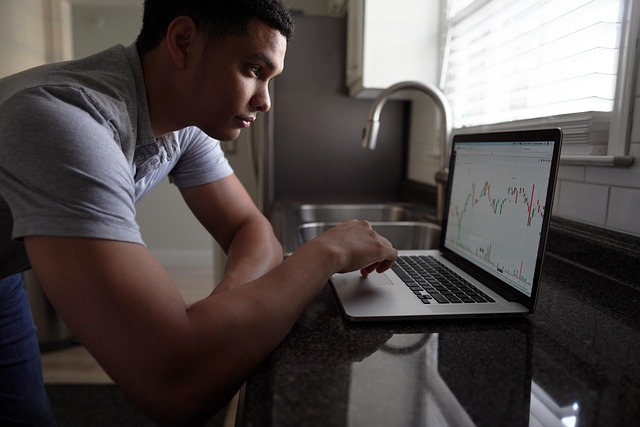
Day trading, or intraday trading, is when you purchase and sell equities on the same day. No positions are kept overnight. Intraday trading is not for the faint of heart, even while it might be exhilarating to think of making rapid money. It takes speed, discipline, a defined plan, and, most importantly, managing risk.
Let’s look at what intraday trading is, how it works, and how you may get started.
What does it mean to trade intraday?
Traders open and close positions during market hours (9:15 AM to 3:30 PM in India) while they are trading intraday. The idea is to make money from modest changes in price that happen throughout the day.
If you purchase a stock for ₹100 and sell it the same day for ₹103, you make ₹3 per share (not including taxes and trading fees). But if the price goes down, you have to get out of the deal before the market closes, even if it means losing money.
Why Do People Trade During the Day?
Trading during the day eliminates the risk of sudden fluctuations due to global news.
High liquidity lets you get in and out of trades quickly.
Brokers provide margins that let you trade more with less money.
Chance to earn money every day
But the danger is also significant, and losses may add up rapidly if you don’t prepare ahead.
Important Ideas in Trading During the Day
- Volatility is Your Friend
Day traders look for equities that move a lot throughout the day. More volatility means more chances. - Liquidity Is Important
Always choose equities with a lot of trading activity so you can purchase and sell without losing money.
Some examples of liquid stocks in India include Reliance Industries and Tata Motors.
Industries of Reliance
Tata Motors
Infosys
ICICI Bank
HDFC Bank
- The Right Time Frame
Most day traders use
5-minute and 15-minute charts to find breakouts and trends
Charts that show 1 minute for scalping (extremely short-term trading)
Common Strategies for the Day
✅ Trading Breakouts
Buy when the price goes over a resistance level and there is a lot of volume.
When the price drops below a support level, sell (short).
✅ Trading in the other direction
Use RSI or candlestick patterns to find equities that are overbought or oversold.
When the price starts to change direction, go in the other way.
Moving Average Plan
Use moving averages that move quickly and slowly, such as the 9 EMA and the 21 EMA.
When the fast MA goes above the slow MA, buy. When the slow MA goes below the fast MA, sell.
✅ Gap-Up/Gap-Down Strategy: Trade price gaps that happen in the early morning because of news or earnings announcements.
Use volume and chart confirmation to make entries.
Tools for traders that trade throughout the day
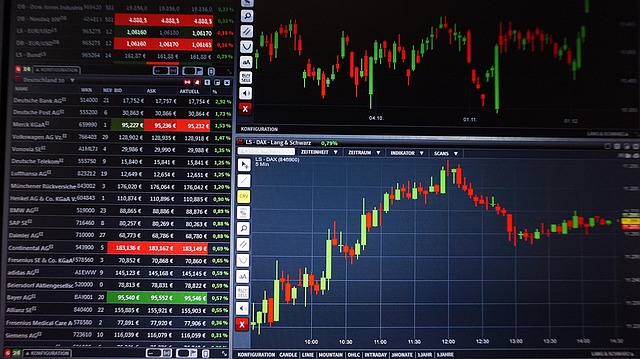
TradingView, Zerodha Kite, and Upstox Pro are charting platforms.
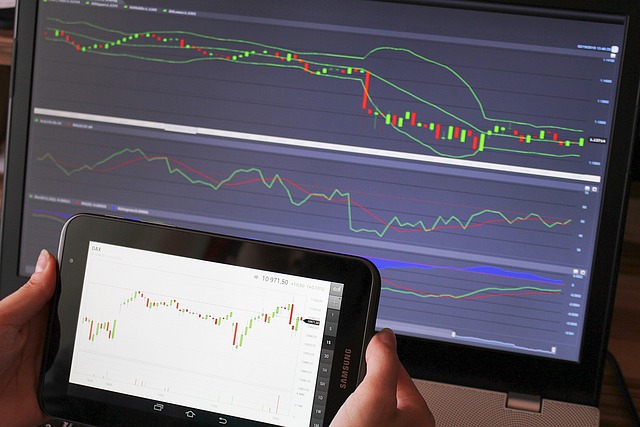
RSI, MACD, VWAP, and Bollinger Bands are among the indicators.
Scanners: To locate stocks that are moving a lot or breaking out
Tip: Don’t put too many indications on your screen. Keep it basic and straightforward.
Managing Risk is Very Important
This is where most new people mess up.
Use a stop-loss to keep your losses to a minimum.
You should never put more than 1–2% of your whole cash at risk in one transaction.
A risk-to-reward ratio of at least 1:2 means that you should be willing to lose ₹100 to earn ₹200.
Don’t trade out of anger or retribution.
Keep in mind that protecting your money is more essential than making money.
The Mind of an Intraday Trader
It’s more about your thinking than your tactics when it comes to intraday trading.
Stick to your strategy and be disciplined.
Don’t trade too much because you’re bored or greedy.
Don’t trade merely because you see a trend.
Take rests since being mentally tired might make you make worse choices.
Don’t think of it as gambling; think of it as a business.
Things You Shouldn’t Do
Not having a plan for trading
Holding on to bad transactions in the hopes that they may become better
Not paying attention to stop-losses
Too many stocks being traded at once
Believing in tips and rumors
Traders that are successful stick to their own proven plan and never stop learning.
Taxes and Brokerages
Profits made from trading throughout the day are considered company income.
You have to pay fees like GST, STT, and brokerage.
To keep expenses down, choose a broker with minimal intraday fees.
Always keep track of your transactions and talk to a tax professional about how to follow the rules.
Last Thoughts
Day trading may be very profitable, but only for those who are disciplined, prepared, and aware of the risks. Don’t let the promise of easy money fool you. Start with a little amount of money, test your technique, keep learning, and always put risk management ahead of profit.
Intraday trading may become a steady source of revenue if you practice, gain expertise, and learn how to regulate your emotions. But it’s a marathon, not a sprint.

Leave a Reply