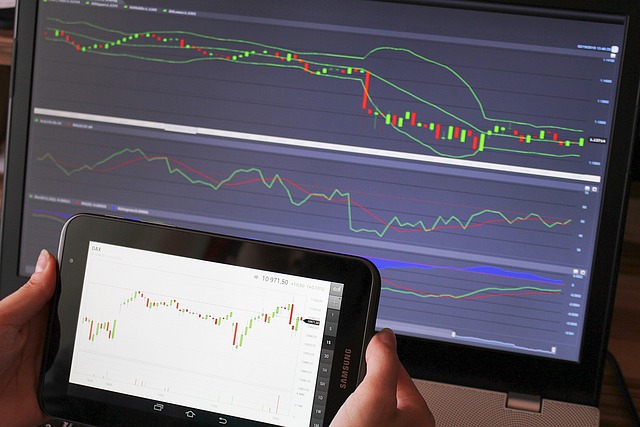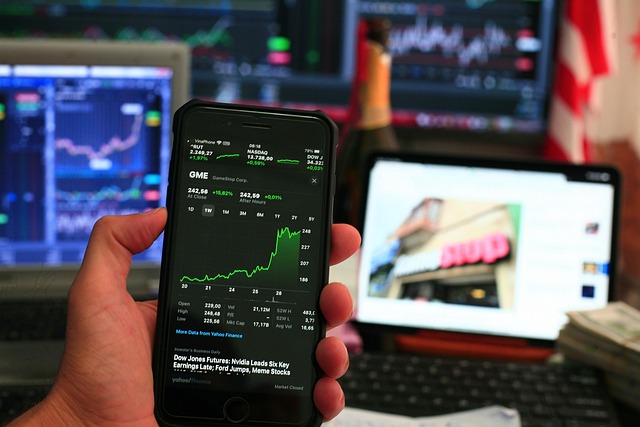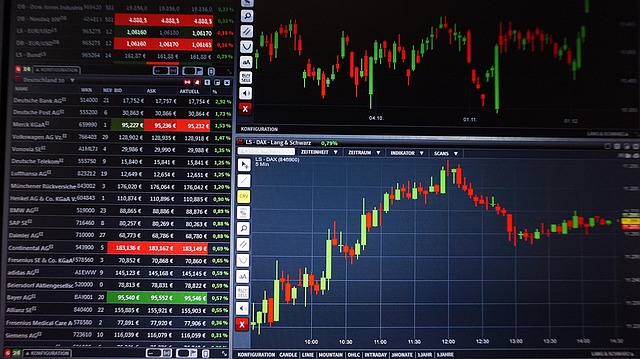
Traders aren’t simply gazing at art when they look at colorful charts with lines, bars, and patterns. They’re utilizing technical analysis to guess what will happen to stock prices. Technical analysis is all about price movement, patterns, and market psychology. Fundamental analysis, on the other hand, looks at a company’s finances.
If you want to become proficient at short-term trading, such as intraday or swing trading, technical analysis is the best tool for you. Let’s make things easier for newbies.
What is the meaning of technical Analysis?
Technical analysis looks at past price data and trade volume to make predictions about how prices will change in the future. It thinks that –
Everything is reflected in the price (news, earnings, and emotion).
Patterns that are easy to see show that history repeats itself.
Prices don’t only go up and down; they follow patterns.
Simply put, you use charts to determine when to enter and exit the market.
The Tools of Technical Analysis
These are the most important instruments for technical analysis:
- Graphs
Technical analysis is founded on graphs. Types of charts that are used often:
Line Chart: Shows how the closing price has changed over time.
Bar Chart: Shows the prices for open, high, low, and close.
The most common chart is the candlestick chart. Each “candle” illustrates how the price changed over a certain amount of time, such as 5 minutes or 1 day.
- Signs
Indicators show strength, momentum, and the direction of a trend. Some of the more popular ones are
Moving averages (MA) smooth out price data to illustrate which way the trend is going.
The Relative Strength Index (RSI) tells you whether something is overbought or oversold.
MACD, or Moving Average Convergence Divergence, shows when a trend is about to change.
Bollinger Bands help find spots of volatility and breakout.
- Help and resistance.
Support is the price level where there is enough purchasing interest to keep the price from going down any further.
Resistance is the point when selling pressure is strong enough to stop the price from going up.
Breaking resistance often transforms it into support, and vice versa.
Chart Patterns That Are Popular
Traders look at chart patterns to find trends and changes. Some of the more frequent ones are
Head and Shoulders means that the trend is changing.
Double Top/Bottom: This means that the price has reached its limit and may change direction.
Triangles (upward, downward, or symmetric) might indicate that something will continue or break out.
These patterns frequently show up before significant changes in pricing.
Timeframes Are Important
Traders employ various timeframes:
1-minute, 5-minute, and 15-minute charts for day traders.
Swing traders use charts that show the market from every hour to every day.
Investors utilize charts that display data on a weekly or monthly basis.
Choose a time range depending on how you trade and how much risk you can handle.
Price Action vs. Indicators
Indicators may be useful, but many experienced traders prefer price action trading, which means looking at raw candlestick patterns and market structure without depending too much on indicators.
Here are some price action techniques:
Patterns that engulf
Pin bars (Doji, Hammer, and Shooting Star)
Breakouts and fake breakouts
Price action lets you figure out how the market is feeling.
Analysis of Volume
Volume shows you how powerful a price change is. For instance:
A powerful breakout happens when a stock breaks through resistance with a lot of volume.
The breakout might be false if the volume is minimal.
Always use both pricing and volume to corroborate your findings.
Managing risk in technical trading
Even with the finest technical setup, trades may still go wrong. That’s why it’s important to manage risk:
Stop-loss orders might help you keep your losses to a minimum.
Don’t risk more than 1% to 2% of your money on each deal.
Keep the ratio of risk to profit at least 1:2 or greater.
Professional traders are more concerned with controlling losses than with making money.
Don’t make these mistakes: overtrading is making too many transactions without good setups.
Ignoring trends—It might be risky to trade against them.
Don’t just look at one indication; use a mixture to confirm.
Failure to use a stop-loss can lead to disastrous outcomes.
Discipline and consistency are more crucial than making guesses.
Final Thoughts
Technical analysis is a skill that improves with practice and dedication. You can make better trading choices if you know how to read charts, spot trends, and handle risks.
Technical analysis gives you the visual tools you need to trade with confidence, whether you want to make money every day via intraday trading or hold swing positions for weeks.